
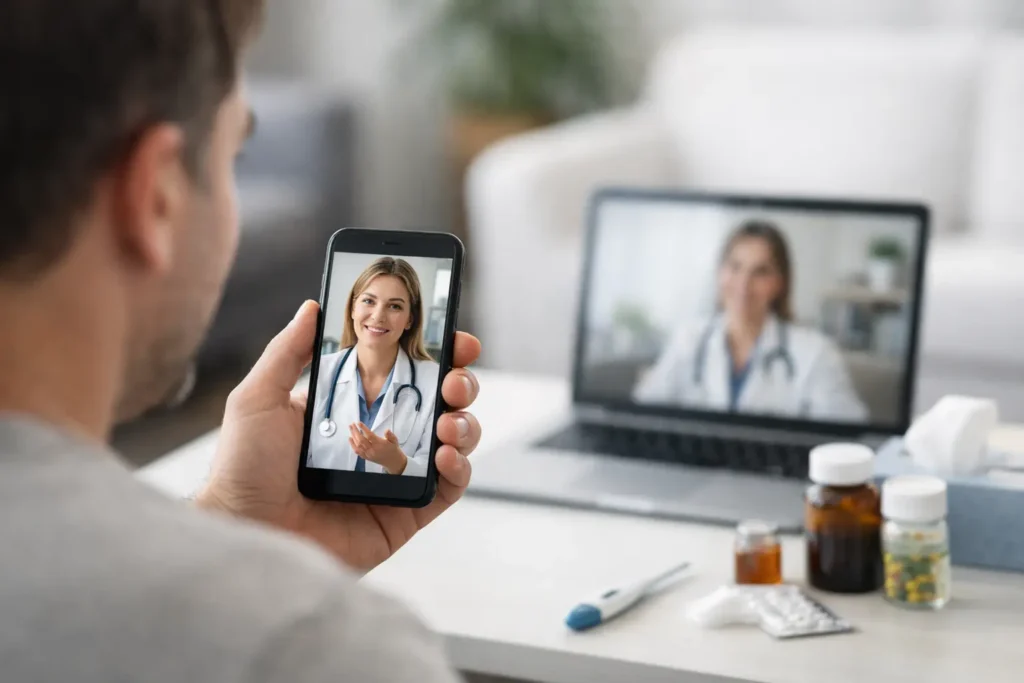
A sore throat at lunchtime, a child with a mild fever after school, a rash that appears just before an important meeting – these are the moments when telemedicine for common illnesses can make everyday healthcare much easier. For many routine conditions, a remote GP consultation offers timely advice, treatment where appropriate, and clear next steps without the extra travel or waiting.
That convenience matters most when you are trying to fit medical care around work, school, caregiving, or simply feeling unwell. But convenience should never come at the expense of safety. The real value of telemedicine is not that it replaces all clinic visits. It is that it helps the right patients get the right care, in the right setting, at the right time.
What telemedicine for common illnesses is good for
Telemedicine works best when symptoms are straightforward, stable, and suitable for assessment through history-taking and visual review. In primary care, that often includes common cough and cold symptoms, sore throat, mild fever, uncomplicated diarrhoea, vomiting that is settling, simple skin rashes, allergic symptoms, conjunctivitis, and some urinary symptoms.
It is also useful when a patient already knows their pattern of illness. Someone who has had seasonal allergies before may need advice on symptom relief. A patient with a familiar eczema flare may need review and treatment adjustment. A parent may want guidance on whether a child with a runny nose and low-grade fever can be monitored at home or should be seen in person.
For working adults, telemedicine can be especially practical for acute but non-emergency concerns that need same-day attention. Instead of delaying care, patients can speak to a doctor promptly, discuss symptoms, receive a medical opinion, and understand whether medication, testing, or an in-person examination is needed.
Why patients choose remote care for everyday illness
The appeal is simple. It saves time, reduces unnecessary travel, and allows earlier medical review. If you are mildly unwell, staying at home can also be more comfortable than sitting in a waiting area.
For families, remote consultations can reduce disruption to the day. Parents may find it easier to speak to a doctor about a child’s mild symptoms before deciding whether to bring them out. Older adults and carers may appreciate having a first point of medical advice without arranging transport immediately.
There is also a public health benefit. If someone has infectious symptoms such as cough, fever, or sore throat, telemedicine can reduce unnecessary contact while a doctor advises on home care, testing, or whether a face-to-face assessment is more appropriate.
That said, a remote consultation is only helpful when it is used appropriately. Good telemedicine should feel like proper medical care, not a shortcut. It should include careful questioning, attention to red flags, and a willingness to arrange in-person review where needed.
Common illnesses that may be suitable for telemedicine
Coughs, colds, and sore throats
Many upper respiratory symptoms can be assessed remotely at first. A doctor will usually ask about the duration of symptoms, fever, breathlessness, chest pain, swallowing difficulty, exposure history, and whether symptoms are improving or worsening.
If symptoms sound mild and self-limiting, telemedicine may be enough for reassurance, symptom management, and advice on rest, hydration, and medication. If there are warning signs such as shortness of breath, persistent high fever, dehydration, or concern for pneumonia, tonsillitis complications, or another significant infection, an in-person examination becomes more important.
Mild stomach upset
Short-lived diarrhoea, mild vomiting, bloating, or abdominal discomfort may be suitable for remote review if the patient is still keeping fluids down and has no severe pain. Telemedicine can help identify likely viral illness, dietary triggers, or simple gastroenteritis, while guiding patients on hydration and warning signs.
But stomach symptoms can be deceptively broad. Severe abdominal pain, blood in stool, persistent vomiting, signs of dehydration, or symptoms in a very young child or frail older adult should not be managed remotely alone.
Skin concerns
Telemedicine can work well for visible problems if the patient can provide clear photos or show the affected area during consultation. This may help with mild eczema flares, simple fungal rashes, insect bites, hives, acne, and some minor skin infections.
The limitation is that skin conditions can overlap. A rash that looks simple on a phone screen may need a closer look in clinic, especially if it is spreading quickly, very painful, blistering, associated with fever, or affecting the face or eyes.
Eye and urinary symptoms
Red eye without severe pain or vision changes may be suitable for initial telemedicine review, especially if discharge and irritation suggest conjunctivitis. Likewise, some uncomplicated urinary symptoms, such as stinging on passing urine in an otherwise well adult, may be discussed remotely.
Even here, it depends on the details. Eye pain, light sensitivity, injury, or reduced vision should be seen promptly in person. Urinary symptoms with fever, flank pain, vomiting, pregnancy, or symptoms in men and children generally need more careful assessment.
When telemedicine is not enough
This is the part patients should take seriously. Telemedicine is useful, but it has limits because a doctor cannot listen to the chest directly, feel the abdomen, check oxygen levels unless you have a device at home, or perform tests during the call.
A face-to-face consultation is usually better when symptoms are severe, unclear, worsening, or persistent. It is also more appropriate when physical examination is likely to change management. Chest pain, breathing difficulty, significant dizziness, confusion, severe headache, sudden weakness, serious injury, and heavy bleeding should not wait for routine remote review.
For children, infants, pregnant women, and older adults with multiple medical conditions, the threshold for in-person assessment is often lower. A mild fever in one person may be manageable at home, while the same symptom in a very young infant requires more urgent attention.
Good primary care recognises these differences. The safest telemedicine service is one that knows when to bring patients into clinic or direct them onward for urgent care.
What a good telemedicine consultation should include
Telemedicine should still feel thorough. The doctor should ask focused questions, review your symptoms in context, and check for red flags rather than rushing to a quick prescription. If there are photos, these should support the history, not replace it.
Patients can help by preparing a few details before the consultation. It is useful to know when symptoms started, whether there is fever, what medications have already been taken, and whether there are relevant medical conditions such as asthma, diabetes, pregnancy, or medication allergies.
If you have home readings such as temperature, blood pressure, pulse rate, or a COVID-19 or influenza test result, that information can make the consultation more useful. A remote review tends to work better when both doctor and patient can build a clearer picture together.
Telemedicine and continuity of care
One of the biggest advantages of seeing a regular primary care provider, whether remotely or in person, is continuity. Common illnesses do not always happen in isolation. A cough may matter more if you have asthma. Vomiting may need different advice if you are elderly, pregnant, or taking regular medication. A simple infection may affect blood sugar control in someone with diabetes.
This is where neighbourhood primary care remains valuable. A clinic that manages both everyday illness and longer-term health needs can offer more consistent advice. It can also move smoothly between telemedicine, in-person review, testing, follow-up, vaccinations, screening, and chronic disease management when needed.
For patients in Singapore, this joined-up approach is often more practical than treating each illness as a one-off event. Accessibility matters, but so does knowing your care sits within a broader picture of family medicine and preventive health.
Choosing the right care on the day
The best question is not whether telemedicine is better than a clinic visit. The better question is whether remote care is appropriate for your symptoms today.
If the problem is mild, common, and uncomplicated, telemedicine may save time and help you start treatment sooner. If symptoms are severe, unusual, prolonged, or affecting someone more medically vulnerable, an in-person consultation is often the safer choice. Sometimes the right path is to start remotely and then attend clinic if the doctor advises examination or testing.
At Healthcare United Toa Payoh Clinic, that practical balance matters. Patients want care that is accessible and affordable, but they also want clear judgement on when home management is reasonable and when direct examination is necessary.
A useful rule of thumb is simple: if you are mainly looking for timely advice, symptom relief, and guidance for a routine illness, telemedicine may be a very good fit. If you are worried something is not right, trust that instinct and arrange a proper examination. The best healthcare is not just convenient – it helps you feel confident you are in the right place for the care you need.